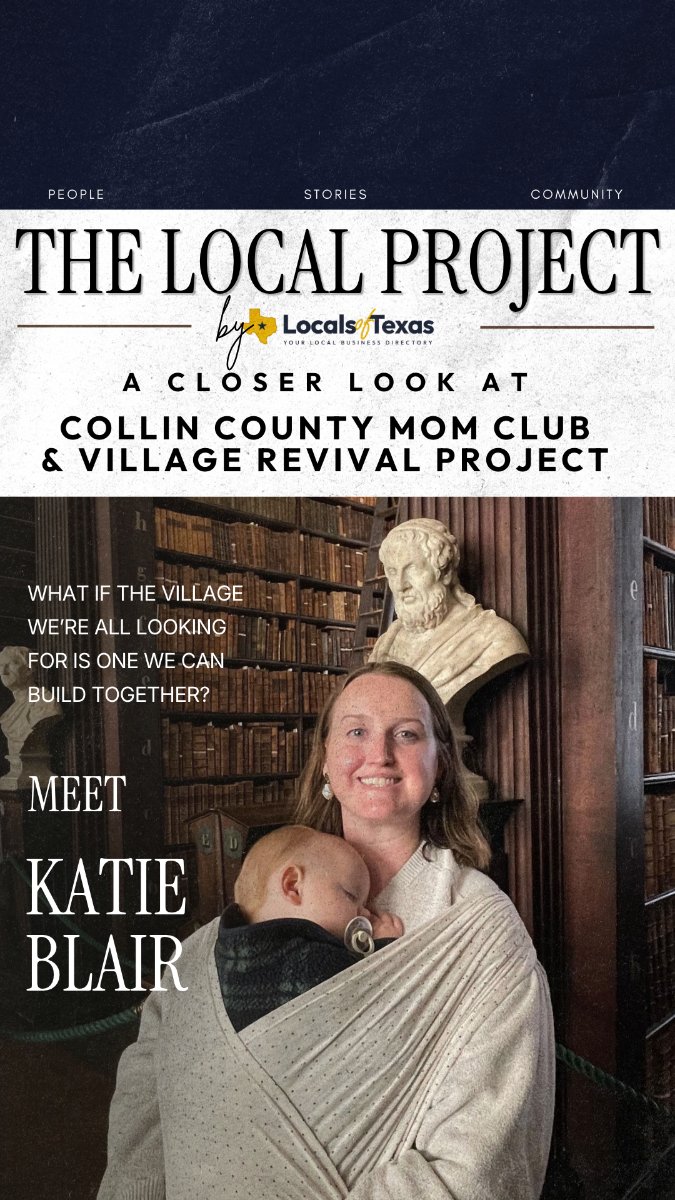
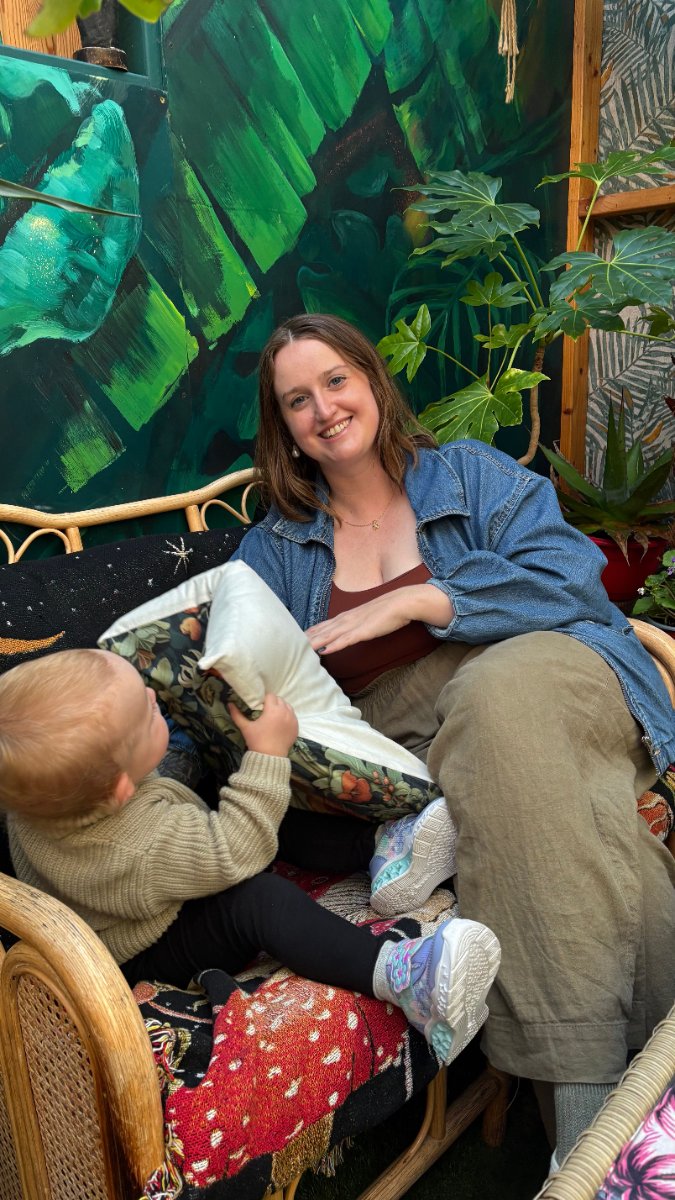
I’m a local mom, community builder, and founder of Collin County Mom Club and The Village Revival Project. I’m passionate about bringing people together, creating meaningful opportunities for connection, and exploring how we can build stronger, more supportive communities.
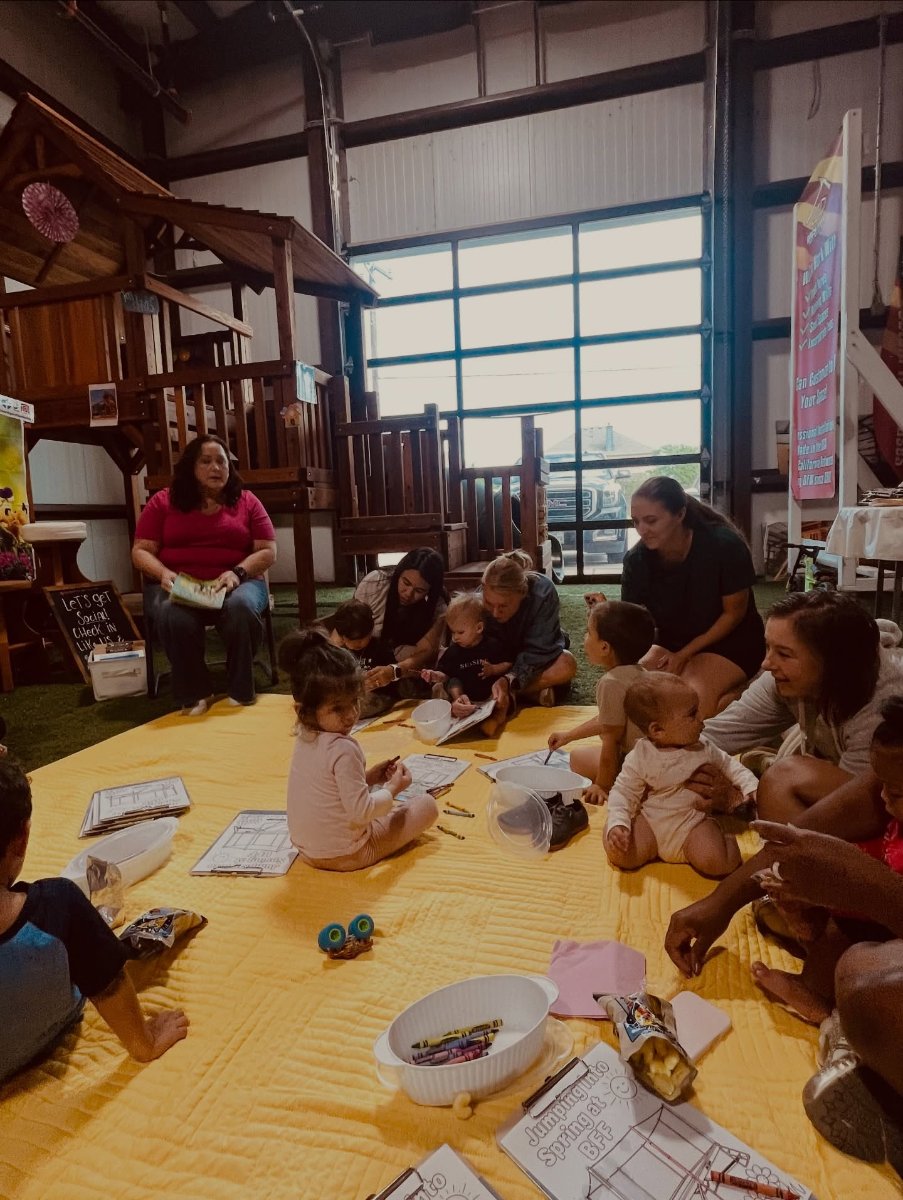
Through Collin County Mom Club, I organize social gatherings, family experiences, philanthropic opportunities, and local collaborations that help mothers build genuine friendships and develop a sense of belonging.
The Village Revival Project expands on that work through research, writing, education, and civic engagement. I’m particularly interested in how history, culture, urban planning, and our social structures influence the way we connect with and support one another.
Ultimately, my hope is to help create a community where people feel seen, valued, and supported, and where caring for one another becomes a more natural part of everyday life. Outside of my community work, I love reading, researching history, exploring museums and cultural spaces, and discovering new places with my family.
What were you doing before this became part of your life, and what led you here?
Before starting Collin County Mom Club and The Village Revival Project, my professional background was in nonprofit work & program management. I graduated from the University of Texas at Austin and spent much of my career working with mission-driven organizations, particularly in education and community services.
Becoming a mother changed my perspective on what community means and how essential it is to our everyday lives. I became increasingly aware of how isolating modern motherhood can be and how much of the responsibility of raising a family we are expected to manage independently.
I wanted to create something that I felt was missing in my own life: a welcoming community where mothers could build genuine friendships, share meaningful experiences, and develop their own networks of support.
What began as a personal desire for connection has evolved into a much broader interest in understanding why our society has become so disconnected and what we can do about it. It’s allowed me to bring together my love of history, research, writing, and community development in a way that feels both personally fulfilling and meaningful to others.
What do you remember most about getting the Community off the ground?
What stands out most is the excitement of watching something that started as an idea become a real community. There was a lot of uncertainty, trial and error, and learning as I went, but seeing women form genuine friendships and make connections outside of the events I organized made it all worthwhile. It reminded me that creating opportunities for people to find one another can have a much greater impact than we realize.
What was the moment or idea that made you think, “Someone needs to create or start this”?
The idea grew out of my work in the nonprofit sector, where I saw firsthand how mothers struggled without reliable support or extended family nearby, and how children struggled when they lacked access to the resources, relationships, and infrastructure they needed to thrive. Becoming a mother myself deepened my understanding of these systemic challenges. I began questioning why families are expected to manage so much independently and how our social structures contribute to that isolation. I wanted to create something that addressed not only the need for connection but also the broader need for mutual support, shared responsibility, and stronger communities.
When you first started, what did you hope this would become?
I hoped to create something I wanted for my own family: meaningful friendships, a genuine sense of belonging, and a community my toddler could grow up feeling part of. But I also had a larger vision of changing how we approach motherhood and community. I wanted those connections to become the foundation for a culture where we actively care for one another, share responsibility, and recognize that the well-being of our children and families is something we all have a role in. Ultimately, I hoped to help bring back a more collective way of living.
What were those early days like, and how has the idea evolved since then?
The early days were very much about experimenting, listening, and figuring out what mothers genuinely wanted and needed from a community. Over time, my interests expanded beyond creating opportunities for connection to exploring the deeper societal and systemic reasons why those connections have become so difficult to establish.
That evolution led to The Village Revival Project, which allows me to explore these issues through research, writing, education, and civic engagement, while Collin County Mom Club continues to be a place where those meaningful relationships can begin to form.
For someone discovering you for the first time, what exactly is it that you’ve built or created?
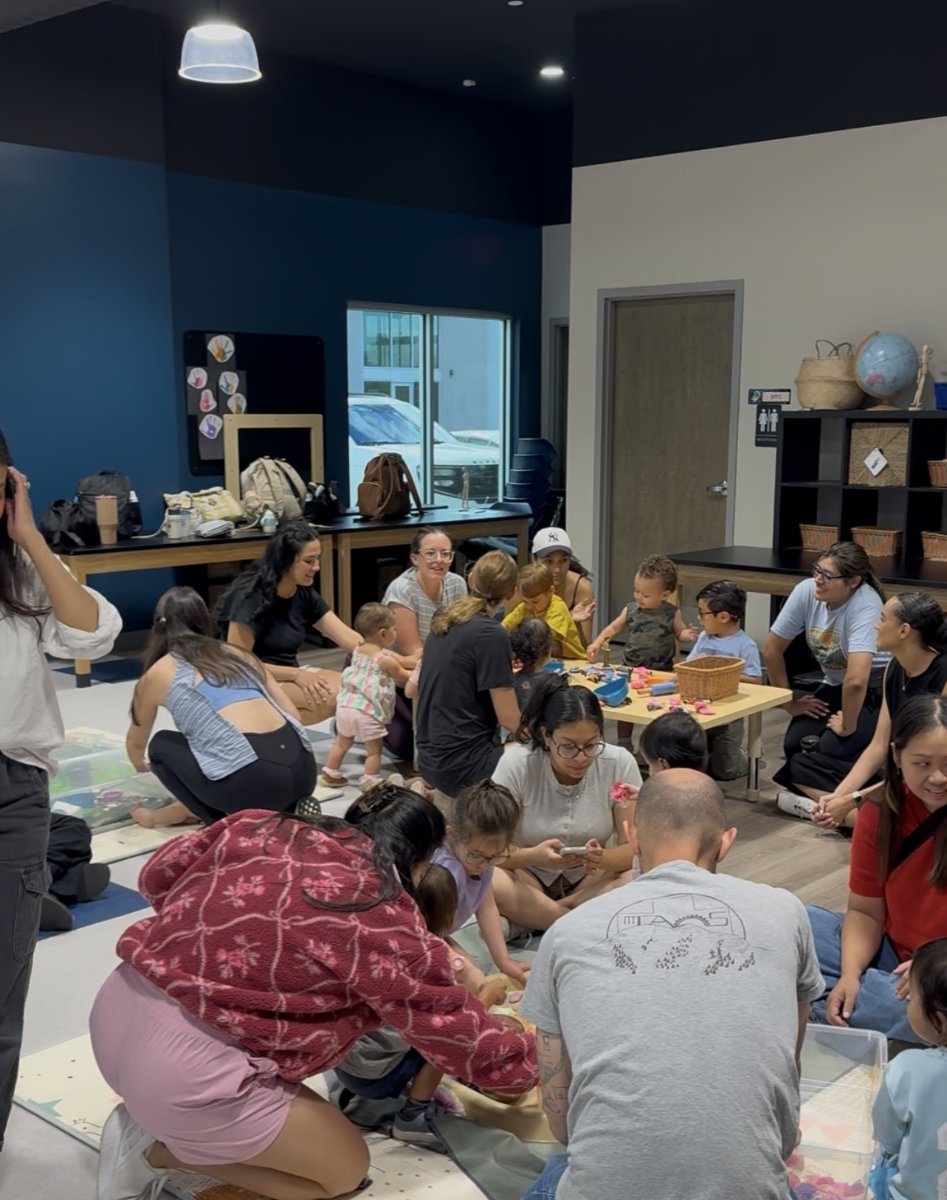
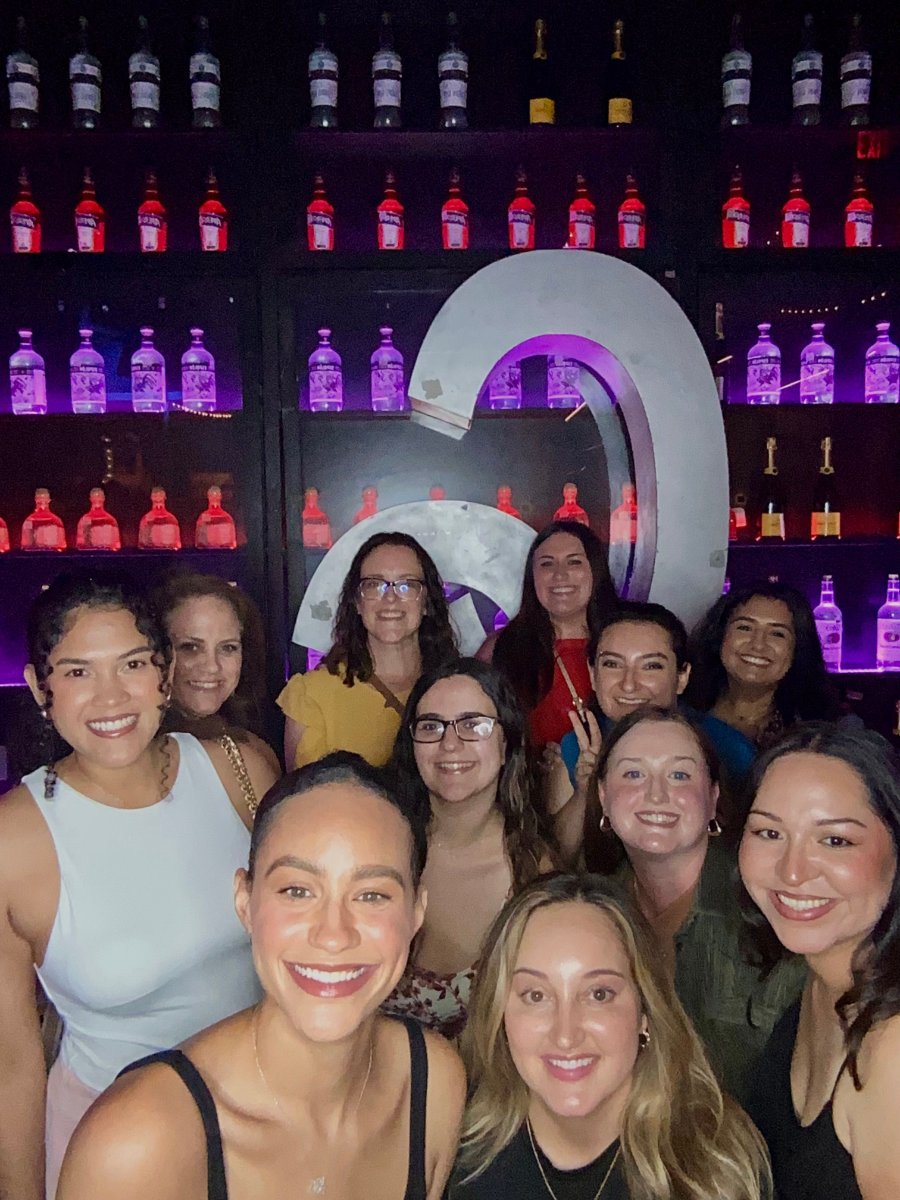
I’ve created two interconnected initiatives. Collin County Mom Club is a local social and philanthropic community where mothers can meet new people, enjoy shared experiences, build meaningful friendships, and feel a greater sense of belonging.
The Village Revival Project is a broader community-centered initiative that explores how we can rebuild a more connected and supportive society through research, writing, education, civic engagement, and volunteering.
Together, they help bridge the gap between finding a community and building a village. One creates opportunities for connection, while the other helps people transform those connections into meaningful networks of mutual support.
Who is it for, and what do you hope people get from being part of it?
Collin County Mom Club is for mothers of all backgrounds and stages of motherhood who are looking for friendship, connection, and a sense of belonging. The Village Revival Project is for anyone interested in building a more connected, compassionate, and supportive society.
I hope people walk away feeling seen, valued, and less alone, but also empowered to become more active participants in their communities. Rather than simply helping people find their village, I want to help them develop the mindset and tools to build one for themselves and others.
What do you think makes your approach or your community different from what was already out there?
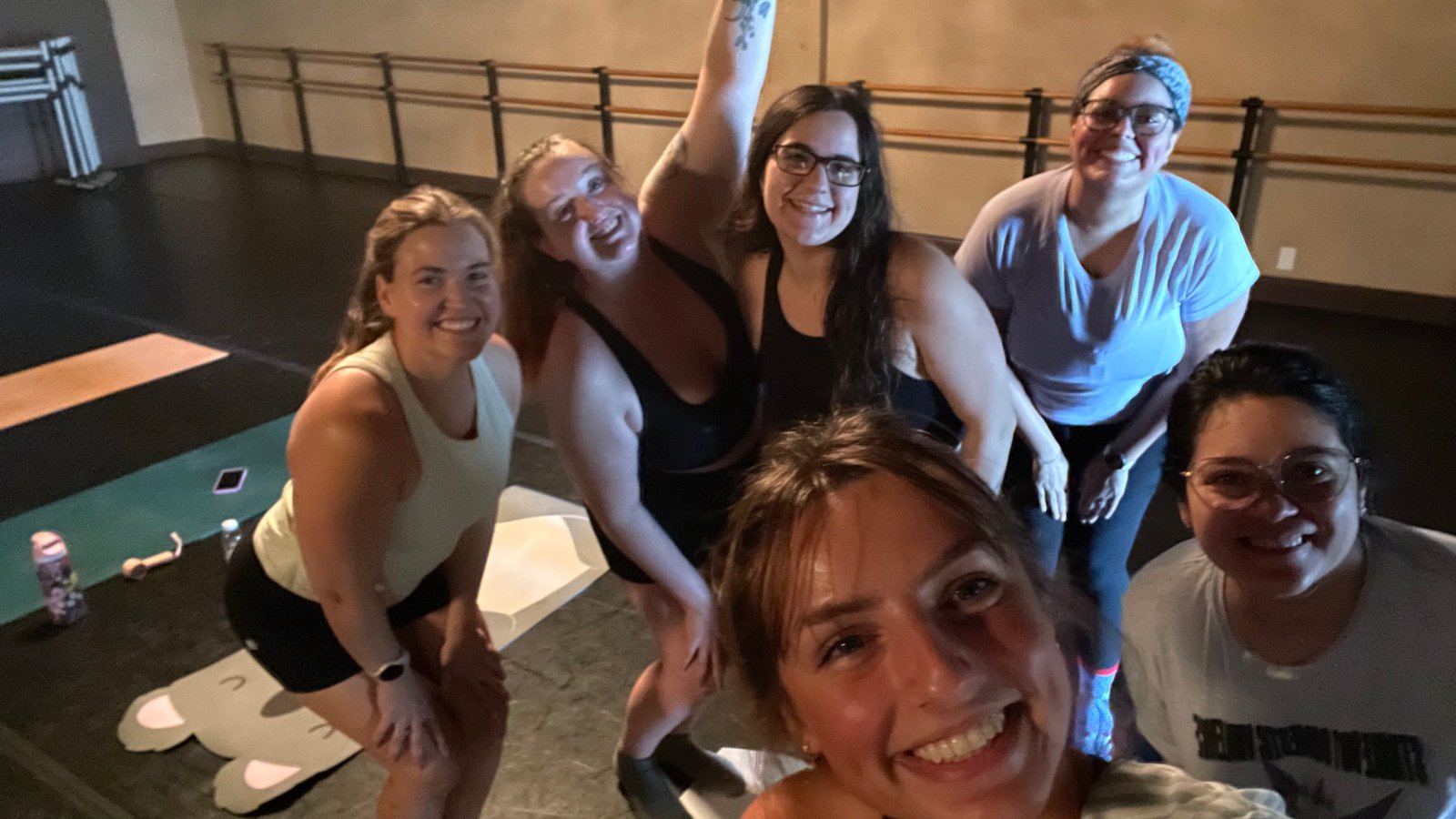
I’ve been intentional about not creating a community centered around one particular type of mother. Our interests, backgrounds, parenting styles, and life experiences can be vastly different, and I think there is real value in that. I also try to offer a wide variety of experiences, from creative workshops and literary discussions to family outings and volunteer opportunities. Motherhood may be what initially brings us together, but it doesn’t have to be the only thing we have in common. I want women to have space to explore who they are as individuals, too.
Is there something about what you do that people might not see from the outside?
I think people mostly see the events, but there is a lot of thought and intention behind them. I’m constantly considering how to make experiences more accessible, help people feel comfortable showing up alone, and create environments where friendships can develop naturally. There’s also a side of my work that involves a lot of reading, research, and reflection on the social and cultural issues affecting families today. As much as I enjoy bringing people together, I’m equally passionate about understanding what keeps us apart.
What has been one of the biggest challenges in building this, and how did you work through it?
One of my biggest challenges has been balancing my vision for the community with my own capacity as a mother. I have so many ideas and things I want to accomplish, but I’ve had to learn that meaningful growth doesn’t have to happen quickly. I’ve become more comfortable with adjusting my expectations, allowing things to evolve organically, and prioritizing quality over quantity. I want what I’m building to enrich my family’s life, not take away from it.
What has this experience taught you about yourself, your work, or the people you serve?
This experience has helped me rediscover parts of myself outside of motherhood. It’s reminded me how much I love learning, creating, exploring new ideas, and bringing people together. It’s also challenged me to step outside of my own comfort zone and practice the vulnerability and intentionality I encourage in others. I’ve realized that I’m not just building something for other people. I’m growing alongside them, learning how to be a better friend, neighbor, and member of my own community.
Was there a moment when you realized, “This is actually making a difference”? Tell us about it.
I think it really hit me when I started seeing relationships extend beyond the events I organized. Moms were arranging their own playdates, making plans together, and becoming part of each other’s everyday lives. What began as a room full of strangers was turning into friendships that existed independently of the club. Knowing that a mother who may have once spent her days feeling isolated now has someone to text, meet for coffee, or turn to for support is what makes this work feel especially meaningful to me.
What keeps you excited about the work you do?
I love that this work gives me the freedom to follow my curiosity. Whether I’m researching how communities functioned throughout history, discovering an interesting local organization, or dreaming up a new experience for our members, there’s always something new to learn or explore. I’m excited by the possibilities of what this work can become, especially because it brings together so many of my personal interests in a way that can also benefit the people around me.
What are some of the values or principles that guide the way you run your Community?
Inclusivity, accessibility, reciprocity, and curiosity are at the heart of what I do. I believe people can learn a great deal from one another without necessarily sharing the same beliefs, backgrounds, or experiences. I also believe that meaningful community shouldn’t be a luxury or something people have to earn their way into. I try to lead with thoughtfulness, remain open to different perspectives, and make decisions based on what genuinely benefits the community rather than what simply looks successful from the outside.
What have you come to appreciate most about the people and businesses you’ve met along the way?
I’ve come to appreciate how much talent, generosity, and creativity exists right here in our local community. I especially enjoy learning the personal stories behind small businesses and meeting people who are genuinely invested in making this area a better place to live. It’s made me more intentional about supporting local businesses, sharing opportunities, and finding ways to collaborate rather than compete. There is something really rewarding about watching people succeed because others in their community chose to show up for them.
What do you think our local communities need more of right now?
I think we desperately need more free, accessible third spaces, places outside of our homes and workplaces where people can gather without the expectation of spending money. So much of our social interaction has become tied to consumption, and that creates unnecessary barriers to connection. I’d love to see greater investment in public gathering spaces, libraries, parks, walkable neighborhoods, and community-centered infrastructure. We need environments where relationships can develop naturally through everyday encounters, rather than having to schedule and pay for every opportunity to connect with others.
What does building community mean to you personally?
To me, building community means taking an active interest in the lives of the people around us. It’s knowing our neighbors, making room for others in our daily lives, celebrating each other’s successes, and showing up during difficult seasons. I want my children to grow up understanding that we have a responsibility to one another and that our lives are richer when they are intertwined with others. Community isn’t simply something I want to benefit from; it’s something I want to continually contribute to.
What are you excited to build, grow, or explore next?
I’m particularly excited to develop the educational and research side of The Village Revival Project through articles, essays, and conversations exploring history, sociology, culture, and urban planning. I’d also love to explore more opportunities for local civic engagement and volunteering. With CCMC, I’m looking forward to creating more experiences centered around literature, art, culture, and local exploration. I want to grow both initiatives thoughtfully, leaving room for curiosity, creativity, and the unexpected opportunities that come from connecting with others.
If you could see this community or your work five years from now, what would you hope it looks like?
Five years from now, I hope the success of this work is measured less by how large the organization has become and more by how deeply it has impacted people’s everyday lives. I’d love to see friendships that have lasted through different seasons of life, children who have grown up together, and families who genuinely rely on one another. I also hope The Village Revival Project has contributed to larger conversations about how we design and support our communities. Ultimately, I’d love to see a culture of community that continues to flourish independently of anything I organize.
We would like to hear a funny moment from running your Community!
I’ve developed a habit of enthusiastically waving at people while waiting for members to arrive at our events, assuming they’re there for CCMC. More often than I’d like to admit, they’re just strangers going about their day, looking incredibly confused as to why this overly friendly woman is waving them over. At this point, I’ve just accepted that occasionally embarrassing myself is part of being a community builder!